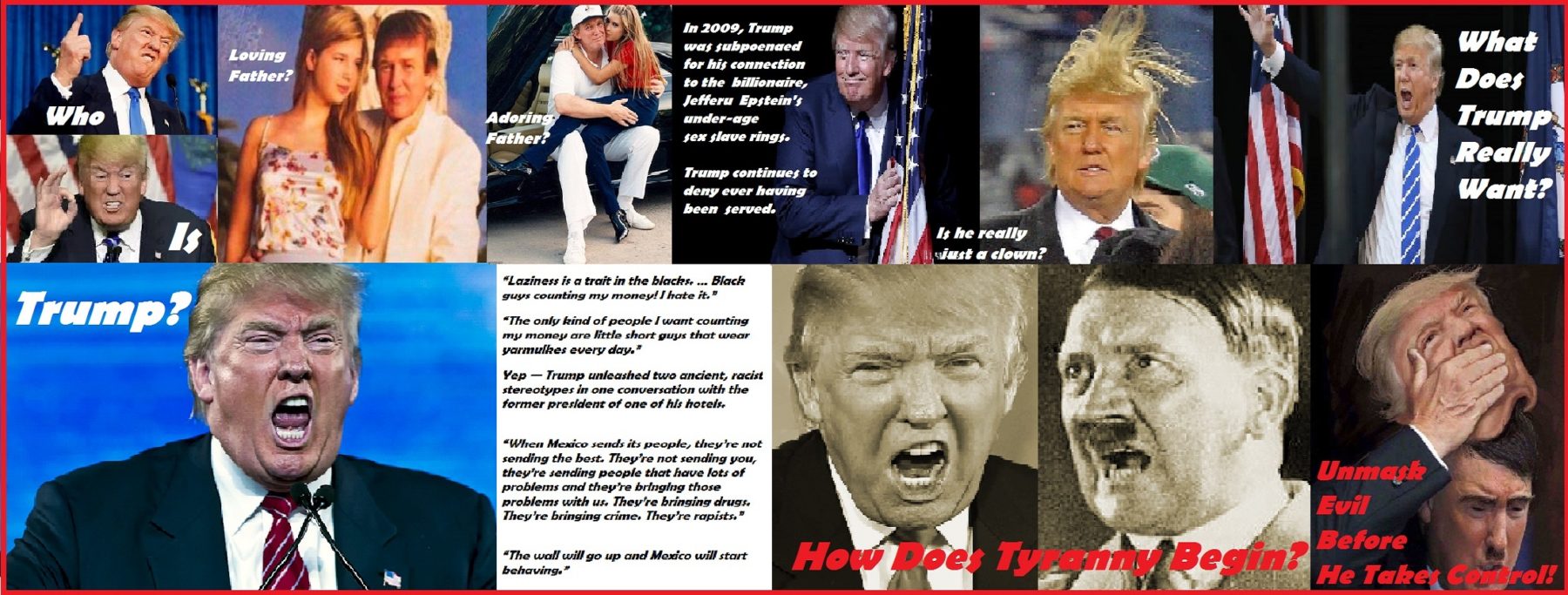

An Argument: Evaluating Donald Trump’s Public Conduct Through the Lens of Spiritual Principles
This argument does not seek to judge Mr. Trump’s private faith, which is known only to him and his God. Instead, it examines his public words and actions as a public figure, measuring them against a set of widely recognized spiritual virtues central to many spiritual paths, including the Christianity Mr. Trump frequently references. Drawing from public statements, actions, and criticisms from religious figures, this evaluation highlights potential misalignments with core principles like humility, truthfulness, compassion, and the Fruits of the Spirit (Love, Joy, Peace, Patience, Kindness, Goodness, Faithfulness, Gentleness, Self-Control – Galatians 5:22-23). While supporters view him as a flawed but divinely appointed leader, critics argue his behavior reflects a spiritually unsound approach prioritizing power over piety.
The Core Virtues for Evaluation
- Humility (vs. Pride): Acknowledging one’s limitations and accountability to a higher power.
- Truthfulness & Integrity (vs. Falsehood): Upholding honesty as a sacred duty.
- Compassion & Mercy (vs. Cruelty): Extending kindness to the vulnerable.
- Fruits of the Spirit: Visible evidence of a life aligned with divine guidance.
1. The Virtue of Humility vs. The Practice of Self-Glorification and Lack of Repentance
A cornerstone of many spiritual traditions is humility—the understanding that one is part of something larger than oneself and is accountable to a higher power. The Bible states, “God opposes the proud but shows favor to the humble” (James 4:6). True spirituality often involves personal repentance and seeking forgiveness, as emphasized in Christian teachings on grace.
Mr. Trump’s public persona is overwhelmingly characterized by self-promotion. His speeches, social media presence, and branding of properties suggest a worldview where he is the central, heroic figure. The consistent focus on “I,” “me,” and “my” stands in stark contrast to the spiritual ideal of deflecting glory toward the divine or serving others. From a spiritual perspective, this relentless self-focus can be seen as a form of idolatry, where the self is placed at the center of one’s universe. Additionally, Trump has publicly stated he doesn’t feel the need to ask God for forgiveness, emphasizing self-reliance over divine grace, as in interviews where he said, “Why do I have to repent or ask for forgiveness if I am not making mistakes?” This contrasts with biblical calls for repentance, suggesting a “works-based” spirituality that prioritizes personal achievement over humility before God. Critics argue this reflects pride over contrition, further evidenced by his reluctance to admit faults or apologize in scandals or public feuds. christianpost,com | cnn.com | au.thegospelcoalition.org
2. The Virtue of Truthfulness vs. A Pattern of Falsehood and Opaque Faith
Almost every major religious and ethical system holds truth-telling as a sacred duty. “Lying lips are an abomination to the Lord,” says Proverbs 12:22. Spiritual soundness implies transparent engagement with sacred texts and principles.
Fact-checkers have documented thousands of false or misleading statements made by Mr. Trump during his time in public life—over 30,000 in his first term alone, averaging more than 20 per day. This is not a matter of occasional misspeaking, but a persistent pattern. For a spiritual leader or someone who claims God’s favor, a casual relationship with the truth is deeply problematic. It erodes trust, sows confusion, and is fundamentally opposed to the concept of a God who is the embodiment of Truth. A spiritually-minded person is called to be a witness to the truth, not an agent of disinformation. en.wikipedia.org | washingtonpost.com | npr.org
Trump’s religious practices remain vague; he identifies as a non-denominational Christian but has demonstrated inconsistent biblical knowledge, such as mispronouncing “Second Corinthians” as “Two Corinthians” in addresses to Christian audiences. Surveys indicate most supporters don’t view him as personally religious (only 8% see him as “very religious”), but as a protector of their beliefs. This opacity, combined with a history of distancing from concepts like heaven and hell, suggests a superficial spirituality more influenced by self-help than deep scriptural engagement. youtube.com | politico.com | pewresearch.org | npr.org
3. The Virtue of Compassion vs. The Practice of Mockery, Cruelty, and Contradictory Actions
Compassion for the vulnerable, the “least of these,” is a central tenet of Christian teaching (Matthew 25:40). Mercy and kindness are to be extended to all, embodying “love your enemies” (Matthew 5:44).
Mr. Trump has a long history of publicly mocking individuals—people with disabilities, political opponents, prisoners of war (like John McCain), and even fellow citizens. He has bestowed cruel nicknames on rivals and has often responded to criticism with personal attacks rather than thoughtful engagement. His policies, such as family separations at the border, resulted in immense human suffering, with over 5,000 children separated from parents, criticized as “cruel” and “immoral” by figures like Laura Bush and religious groups. Critics argue this shows a lack of the compassion that is the hallmark of a spiritually-grounded life, clashing with teachings on empathy and mercy. Even some evangelicals note his “viciousness” as a departure from Jesus’ nonviolent example. youtube.com | bbc.com | americanimmigrationcouncil.org | pbs.com | theatlantic.com | pbs.com
4. The Fruits of the Spirit vs. The Fruits of Division, Anger, and Instrumental Use of Faith
St. Paul lists the “fruits of the Spirit” as the visible evidence of a life lived in accordance with God. They are love, joy, peace, patience, kindness, goodness, faithfulness, gentleness, and self-control. Authentic faith is embodied privately, not commodified for gain.
One can argue that the “fruits” of Mr. Trump’s political career have been division, anger, impatience, and a coarsening of public discourse. His public communications are often filled with anger and insults, lacking in gentleness and self-control. While he has supporters who feel he fights for them, the overall tenor he has brought to public life is one of conflict and rancor, which is difficult to reconcile with the spiritual fruits of peace, patience, and kindness. bbc.com
Trump has been accused of treating faith instrumentally for political gain. His 2020 photo-op holding a Bible outside St. John’s Church after protesters were cleared with force was labeled “sacrilege” and “antithetical to the teachings of Jesus” by Bishop Mariann Edgar Budde and others. He didn’t pray or reference scripture, suggesting symbolism over devotion. Similarly, selling “God Bless the USA” Bibles for $59.99 has been called “blasphemous” and “disgusting” by pastors, commodifying religion and aligning with Christian nationalism over personal piety. Initiatives like anti-Christian bias task forces are criticized for prioritizing conservative Christianity over pluralism, blurring church and state in ways that elevate political power over universal love. nbcnews.com | cnn.com | npr.com | pbs.com | theguardian.com | edition.cnn.com | interfaithalliance.org
Conclusion
Based on this evaluation, one could argue that Donald Trump’s public behavior exhibits a pattern that is antithetical to key spiritual virtues. His emphasis on pride over humility, falsehood over truth, cruelty over compassion, and division over peace suggests a life guided not by the principles of a transformative faith, but by worldly ambition and ego. Observers like those in “The Spiritual Danger of Donald Trump” argue his influence promotes a “Trumpianity” focused on dominance, opposed to humility and service. Religious scholars and clergy, including Pope Francis, have rebuked such approaches as contradicting Christian values. sojo.net | bbc.com
Therefore, while one cannot know his soul, one can make a reasoned argument that his public actions and the “fruit” they have borne render him, from a specific spiritual perspective, unsound and a poor representative of the faith he often claims. Of course, defenders counter that he’s a flawed but divinely appointed leader who champions religious freedom and has deepened his faith post-assassination attempts. This debate underscores the subjective nature of spiritual assessment, but the evidence raises profound questions for faith communities. youtube.com | youtube.com