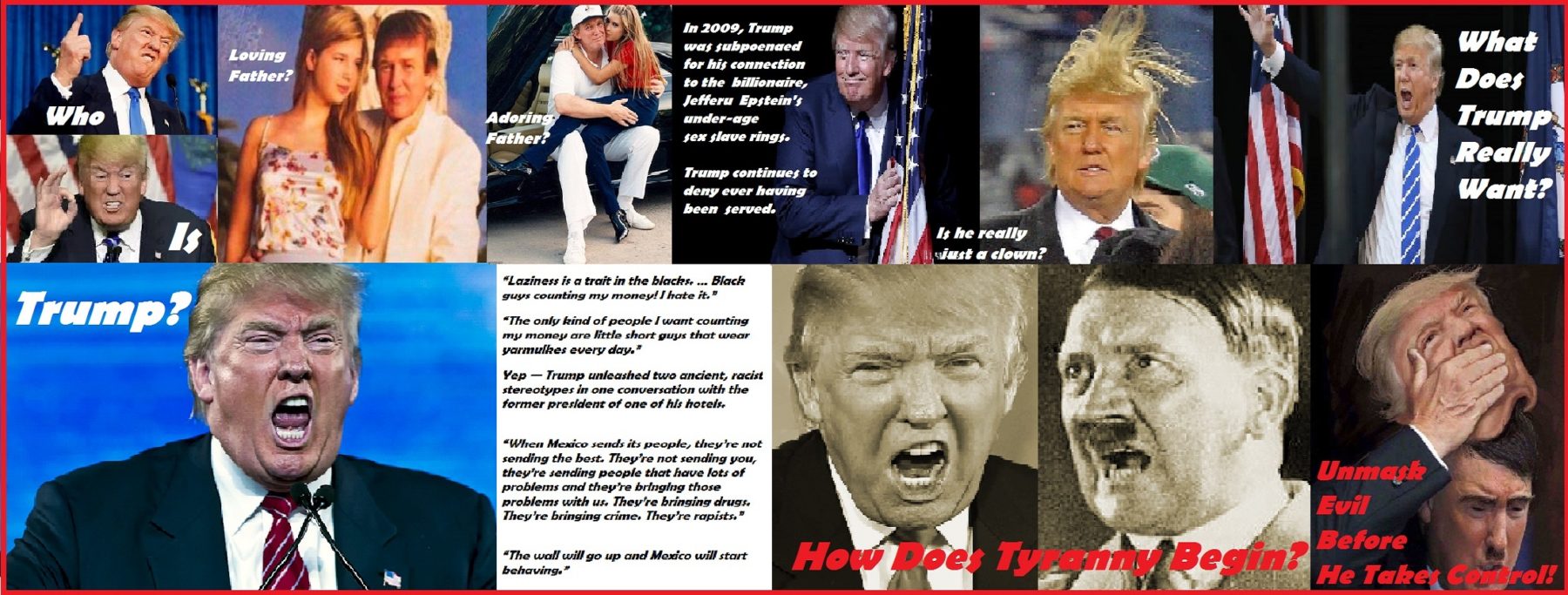

Understanding Donald Trump’s Personality Type
A Public Analysis Overview
Discussions about Donald Trump often focus less on policy and more on temperament. Over the years, commentators, personality analysts, and academics have attempted to describe his behavioral style using popular personality frameworks.
It’s important to note: these assessments are third-party interpretations. Trump has not publicly confirmed completing an official personality test.
The Myers–Briggs Perspective: Often Labeled ESTP
In Myers–Briggs terms, Trump is frequently described as an ESTP, sometimes called “The Entrepreneur” or “The Dynamo.”
An ESTP personality is typically energized by interaction, thrives in fast-moving environments, and prefers action over theory. This type is known for decisiveness, competitiveness, and comfort with risk. ESTPs often respond quickly to changing circumstances and tend to prioritize immediate results rather than long-term abstraction.
Supporters view these traits as strengths — bold leadership, resilience under pressure, and strong negotiation instincts. Critics, however, interpret the same characteristics as impulsivity, reactivity, or a lack of strategic restraint.
The difference often lies less in the traits themselves and more in how observers evaluate them.
The Enneagram View: Type 8 — “The Challenger”
Within the Enneagram framework, Trump is commonly identified as a Type 8, known as “The Challenger.”
Type 8 personalities are driven by autonomy, strength, and control. They value independence and tend to resist being constrained by others. Communication is often direct, forceful, and unapologetic. Loyalty is important, and betrayal is rarely forgotten.
At their healthiest, Type 8 leaders are protective, courageous, and decisive. When functioning poorly, the same traits can appear combative, domineering, or aggressive.
Again, the core motivation — maintaining control and avoiding vulnerability — can manifest differently depending on context and temperament.
The Big Five Model: A More Academic Lens
The Big Five personality framework, widely used in psychology research, offers a more evidence-based structure. Public analyses commonly describe Trump as:
- Very high in Extraversion
- Very low in Agreeableness
- Moderately average in Conscientiousness, Neuroticism, and Openness
High extraversion often presents as dominance, confidence, and comfort in public settings.
Low agreeableness, in psychological terms, does not indicate pathology. It reflects a competitive, blunt, and less harmony-oriented interpersonal style. Individuals low in agreeableness are often more willing to challenge others, negotiate aggressively, and prioritize winning over consensus.
These traits can be advantageous in competitive business or political arenas — but they can also create friction in collaborative environments.
Related Videos
Figures Commonly Typed as ESTP (Speculative)
Benito Mussolini
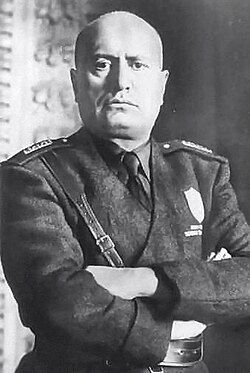
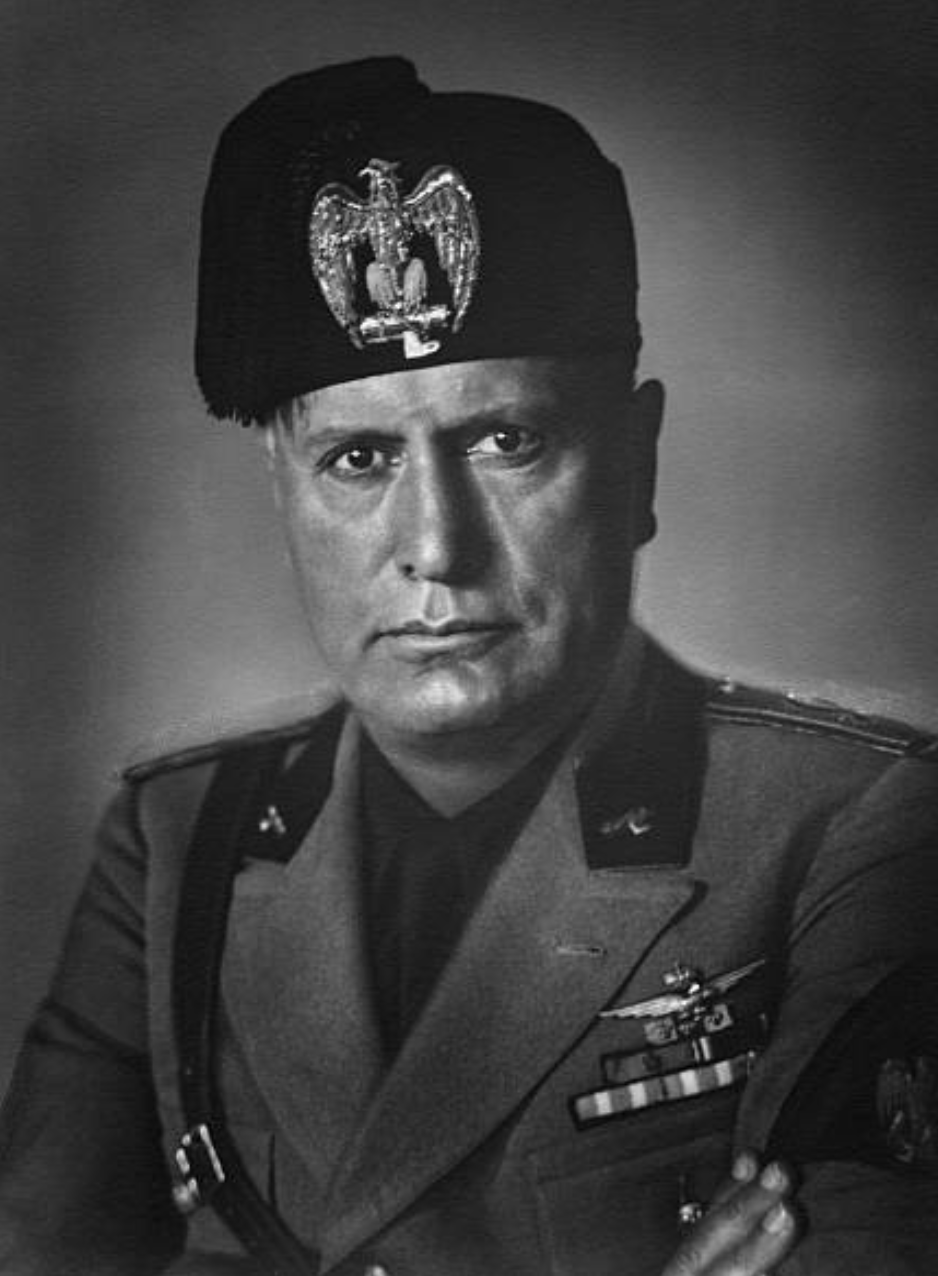

Often typed by hobbyist MBTI analysts as ESTP due to:
- Charismatic public speaking
- Theatrical presence
- Action-oriented, force-driven leadership
His public image is widely viewed as authoritarian and oppressive.
Richard Nixon
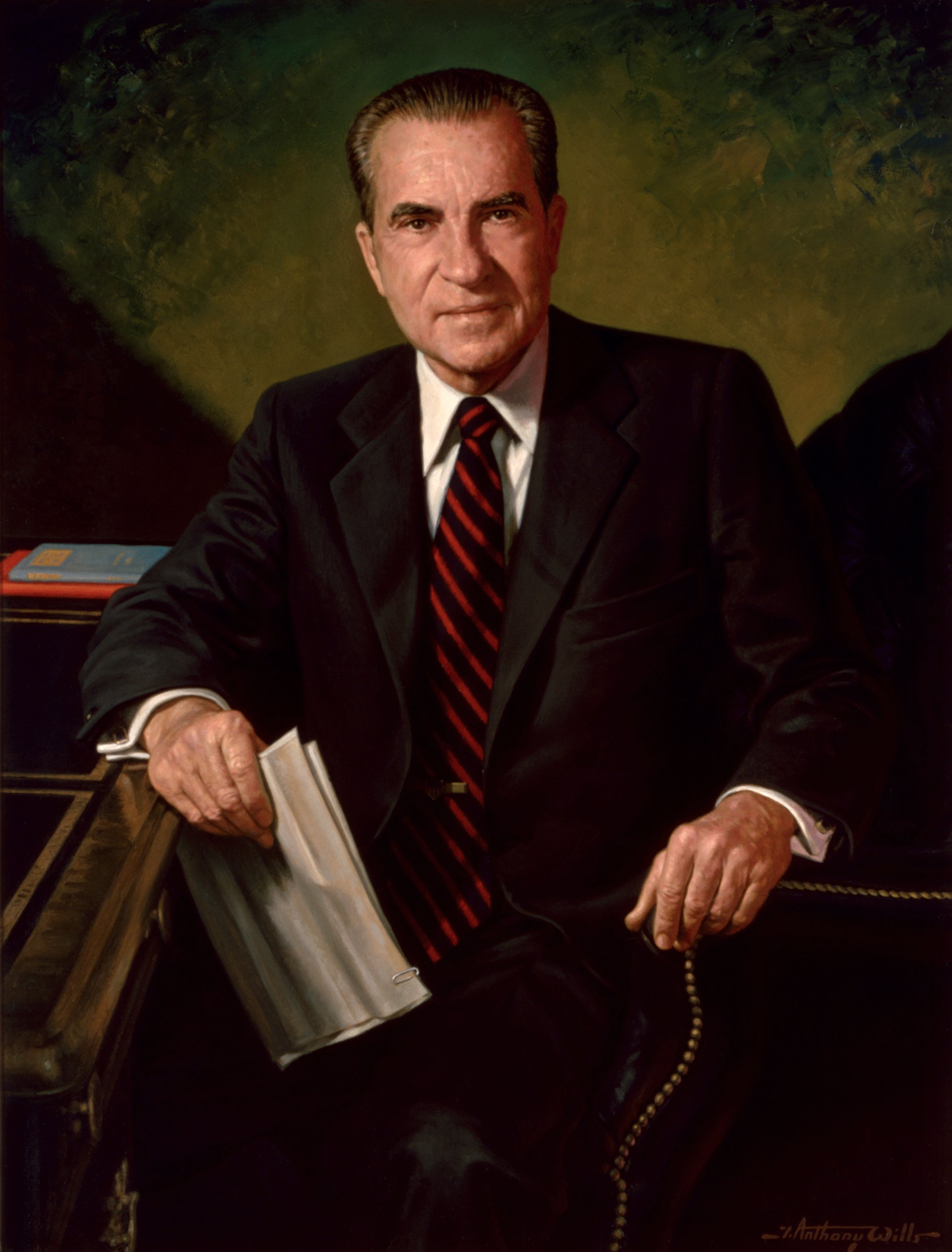


Sometimes typed as ESTP or ENTJ depending on interpretation.
His presidency ended in resignation after the Watergate scandal, creating a deeply controversial public legacy.
Figures Commonly Typed as Enneagram Type 8 (“The Challenger”)
Napoleon Bonaparte

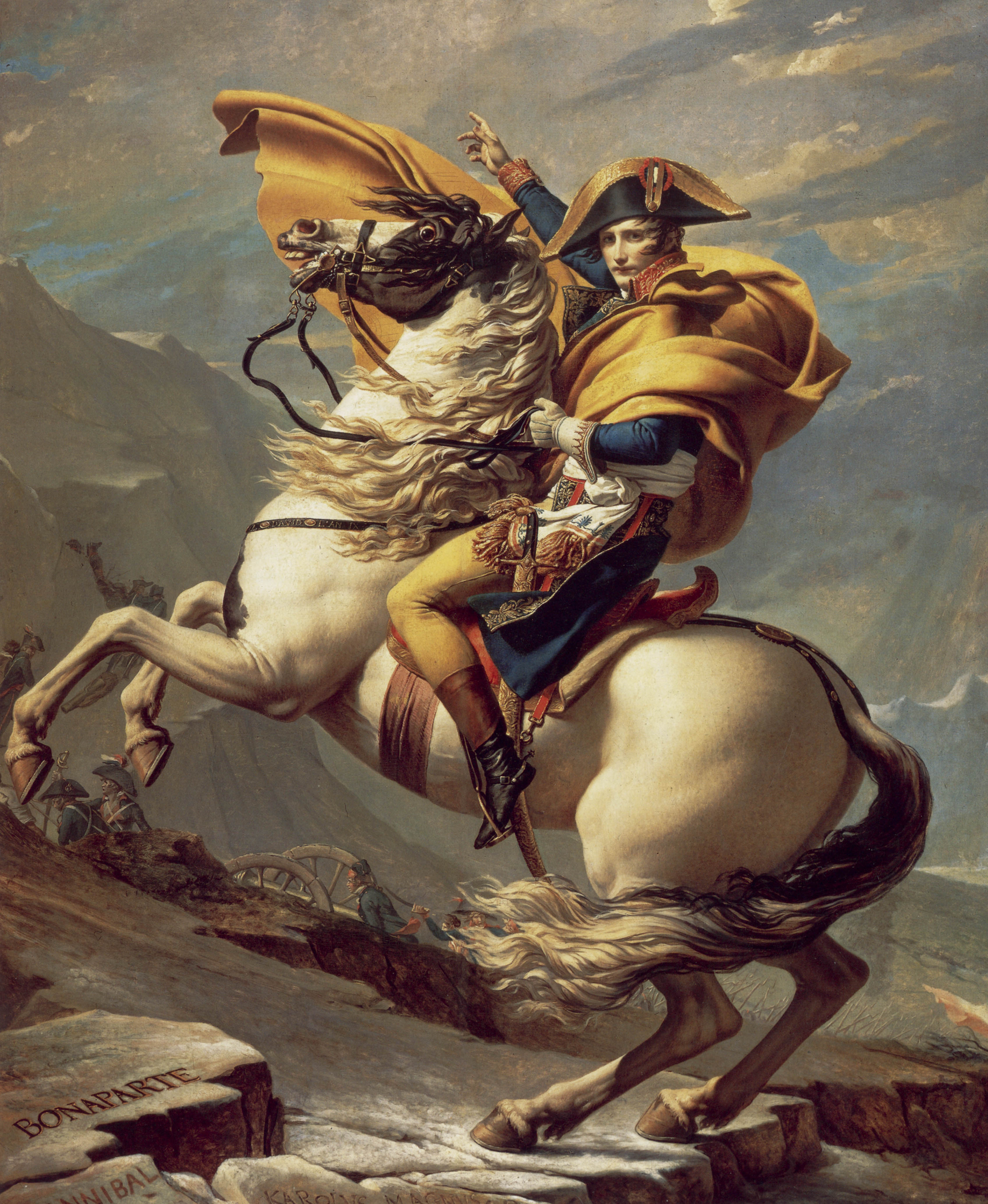

Frequently typed as Type 8 due to:
- Dominance and control orientation
- Strategic aggression
- Strong will and refusal to yield
He is admired for military genius but criticized for imperial ambition and warfare.
Joseph Stalin


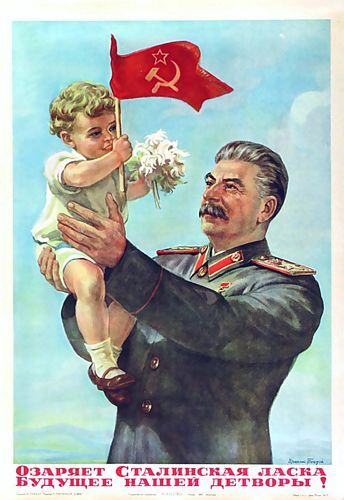
Often typed as an unhealthy Type 8 in Enneagram discussions.
His public image is associated with authoritarian control and mass repression.